
Security cameras get all the attention. Smart locks get the marketing budgets. But neither of them matters much if a burglar walks in through a door you forgot was even an entry point. The front door gets secured, the alarm sign goes in the yard, and everything else gets ignored — the connecting garage door, the basement window at the back, the pet flap, the sliding glass door your kid left unlocked last Tuesday. These aren’t edge cases. They’re how most suburban break-ins actually happen, because that’s where the obvious security stops and the wishful thinking begins.
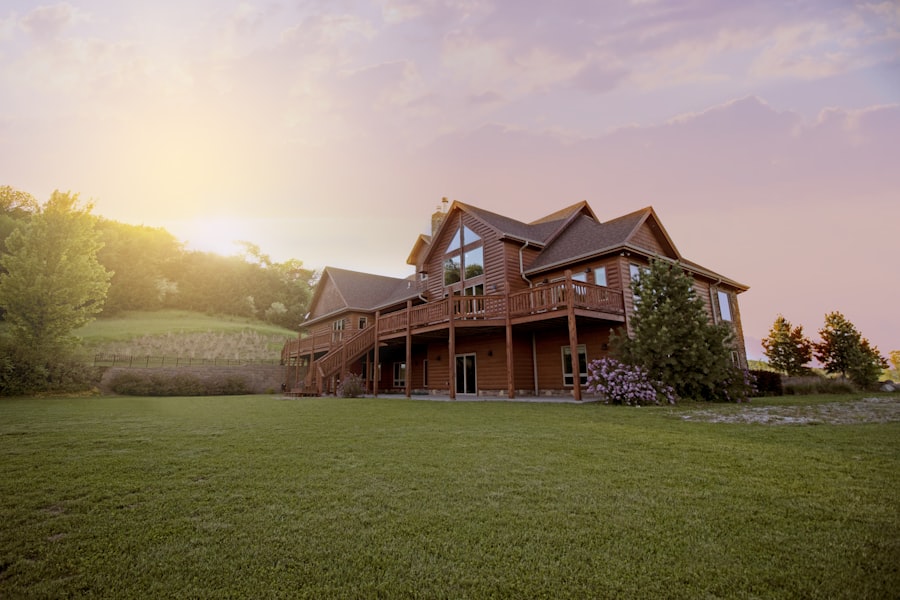
Here’s the thing about suburban homes specifically: they’re built with more potential entry points than urban apartments and smaller urban homes. Attached garages, larger ground floor footprints, sliding glass doors to patios, basement windows, and pet doors are all features that add to the square footage and subtract from the security. None of them are inherently problematic — but each one has a specific vulnerability that needs a specific fix.
The Attached Garage — The Most Underestimated Vulnerability
The garage is where suburban home security breaks down in a predictable, well-documented way. Not through brute force — through a wire. Every garage door opener has an emergency release cord (usually red) that disconnects the drive mechanism so you can manually operate the door during a power outage. That cord hangs a few inches below the top panel of the door. And the gap at the top of most garage doors — even when closed — is large enough to slide a hooked wire through, catch the cord, and pull it.
The whole thing takes about six seconds. No noise. No tools beyond a bent wire coat hanger. No damage. The garage opens, and there’s now a car inside confirming the house is occupied, a full interior to search, and a door into the living space that’s usually secured with just a knob lock. YouTube has multiple videos of this technique. It’s not obscure.
✅ The Fixes
- Zip tie the emergency release cord — A zip tie looped through the cord prevents a hook from catching it through the gap. Costs $0 if you have zip ties. Removes the most common garage attack vector entirely. (Use a breakable zip tie so you can still use the release in an emergency.)
- Install a Chamberlain MyQ smart controller — Sends a phone alert when your garage door opens, lets you close it remotely. If you’ve ever driven away wondering if you left it open, this solves that permanently. ~$30.
- Treat the interior garage door like an exterior door — Solid core construction, Grade 1 deadbolt, reinforced strike plate with 3-inch screws. This door should be as hard to breach as your front door.
Sliding Glass Doors — Two Separate Vulnerabilities, One Cheap Fix
Sliding glass doors are in roughly 60% of suburban homes, and they come with two distinct vulnerabilities that most homeowners know nothing about. The first is the latch. The factory latch on a sliding door is designed to keep the door from sliding open accidentally — it’s not designed to resist a deliberate, forceful attempt to defeat it. With a screwdriver and knowledge of where to apply pressure, the latch can be bypassed in under 20 seconds.
The second vulnerability is less known and genuinely surprising when homeowners discover it: many sliding doors — especially models more than 10 years old — can be physically lifted off their bottom tracks and swung inward or outward, completely bypassing the latch. The door slides on a small track channel, and if the anti-lift hardware has worn down or was never installed properly, lifting while sliding is enough to disengage the door entirely. Check yours right now by lifting the movable panel while it’s closed. If it moves more than a half-inch vertically, you have this vulnerability.
✅ The Fixes
- Security bar in the track — A steel bar cut to fit in the bottom channel prevents the door from sliding open even if the latch is completely bypassed. The DIIG adjustable bar fits most standard and wide sliding doors and takes 30 seconds to set. ~$30.
- Anti-lift brackets — Small brackets that screw into the top of the door frame and limit how far the door can be lifted. Closes the second vulnerability. ~$10–15.
- Window/door contact sensor — An entry sensor on the sliding door that sounds immediately when it’s opened. If somehow both the bar and the latch are defeated, the alarm is the last layer.
Ground-Floor and Basement Windows — The Most Common Overlooked Vector
Windows account for 23% of all residential burglary entries — second only to doors. The specific vulnerability varies by window type, but the consistent problem across all of them is the same: standard window latches are not locks. A latch holds the window shut against wind and weather. It doesn’t resist someone deliberately trying to open it from outside. The difference sounds subtle. It isn’t.
Single-hung windows with a standard cam latch can often be defeated by inserting a thin tool between the sash and the frame and leveraging the latch open. Double-hung windows are marginally better but still designed for convenience, not security. Sliding windows share the same track vulnerability as sliding doors. And basement windows — especially older jalousie-style or casement windows set into foundation wells — are frequently the path of least resistance in suburban homes: concealed from neighbors, rarely observed, and often left unlocked or with latches that haven’t moved in years.
Window security film changes the failure mode of the glass itself. A standard single-pane window shatters on a single impact — the glass breaks, the burglar clears the frame, and entry takes under 10 seconds. 8-mil safety film holds broken glass together in a spiderweb pattern that requires multiple sustained impacts to penetrate. The visual tells anyone watching that forced entry is happening, and the time adds up — most opportunistic burglars won’t take that risk on a window when there are unprotected ones nearby.
✅ The Fixes
- Track pins or window stops — A metal pin drilled through the sash overlap, or a commercially available stop that limits how far a window can be slid or raised. Free to $10. Converts a latch into an actual lock.
- Dowel rod in the track — The $0 solution for sliding windows. A wooden dowel cut to fit prevents the window from sliding even if the latch is defeated. Works on sliding windows and sliding doors.
- 8-mil security window film — Applied to the glass interior surface. Doesn’t stop a determined attack indefinitely, but significantly increases time-to-entry and changes the risk profile. BDF 8 Mil Security Film applies like window tint — water, squeegee, 30 minutes per window. ~$35 for a 24″x12ft roll.
- Contact sensors on every ground-floor and basement window — Cheap, peel-and-stick, 120dB. Even if the window is breached, the alarm triggers in the first second.
Pet Doors — A Literal Opening Nobody Thinks About
Pet doors installed in exterior doors or walls create a physical opening into your home. The risk level depends directly on the size. A small cat flap is not a meaningful entry risk for an adult. A large dog door — the kind rated for breeds over 50 lbs — is a different matter. An average adult arm is roughly 4 inches wide at the wrist. A door rated for a 70-lb Labrador typically has a flap opening of 10″ x 16″ or larger. That’s large enough for a small adult to reach through and operate the interior door handle, turn a deadbolt knob, or slide a chain.
This isn’t theoretical. Police reports documenting burglary via pet door exist across multiple jurisdictions. A locked door with a large pet flap is in many cases easier to defeat than an unlocked window — because the pet door is already open, just with a flap in the way.
Placement matters too. A pet door installed in the door connecting the garage to the house is more dangerous than one in an exterior wall — because a burglar who has already defeated the garage has immediate access to the interior mechanism through the flap.
✅ The Fixes
- Electronic/RFID pet doors — Only open for collars with the matching chip. The flap stays locked against human manipulation but opens automatically for your pet. More expensive ($80–200) but closes the vulnerability while keeping full convenience.
- Double-flap doors — Two flaps with a gap between them. Harder to reach through and manipulate a handle, and better insulated.
- Lock the pet door when you leave — Most pet doors have a slide-in panel or rotating cover. Use it when the pet is inside with you and the dog doesn’t need to go out. Takes three seconds.
- Relocate to an exterior wall rather than a door — An arm through a wall-mounted pet door still can’t operate a door handle. This eliminates the handle-reach vulnerability entirely.
- Interior door handle positioning — If you can’t change the pet door placement, switch the door handle to a lever style that requires significant downward pressure (harder to operate through a flap) rather than a knob, or use a door with a handle positioned above typical reach through the flap size.
The Side Gate and Perimeter Access — Ignored Because It’s Outside the House
The side gate separating the front of a suburban property from the back yard is, in most homes, secured with a latch. Not a lock — a latch. The same latch design used to hold a garden gate in a wind. In most cases, reaching over the top of the gate (or through a gap in the fence boards) and lifting the interior latch takes under five seconds. Once someone is through the gate, they’re in the rear or side yard — invisible from the street, hidden from neighbors, and able to work on a back door or ground-floor window with far more privacy than they’d have at the front of the house.
The rear yard is where the valuable real estate of a break-in happens. Burglars who use the front door are exposed — there’s street traffic, possible neighbors watching, potential dashcam footage from parked cars. The backyard offers none of those risks. Getting through the gate is the first step in accessing that lower-risk work environment.
Modern suburban homes are also increasingly building outdoor structures — sheds, detached garages, workshop buildings — that are secured with padlocks ranging from adequate to embarrassingly weak. A shed containing power tools and lawn equipment is its own burglary target, entirely separate from the house itself, and most people treat it like a filing cabinet rather than a valuables storage unit.
✅ The Fixes
- Replace the latch with a keyed gate lock — A $20–35 keyed lock on the side gate requires a key to open from outside, closes the five-second latch attack. Position it mid-gate so it can’t be reached over the top.
- Motion-activated camera covering the gate and rear approach — The Blink Outdoor 4 or Reolink Argus 4 Pro both run on battery (no wiring needed) and send motion alerts when anyone enters the side gate area. Placed high on the fence line, they cover the approach before someone reaches the back door.
- Motion-activated lighting on the rear and side — Removes the privacy advantage of the backyard at night. Solar-powered options require zero wiring and install in 10 minutes.
- Thorny hedge or planting along fence perimeter — Climbing over a fence lined with hawthorn, barberry, or roses is considerably less appealing than climbing one with no vegetation. This is a free upgrade if you’re already landscaping.
- Treat shed security like house security — Hardened padlock (at minimum a Grade 2 laminated lock), hasps that don’t expose screws when the lock is open, and reinforced strike plates. An inventory of what’s inside, photographed, with serial numbers recorded.
Priority Order: Where to Start If You Can Only Do One Thing at a Time
Every entry point above has a cheap fix available. None of them require a contractor, professional installation, or a monthly subscription. Here’s the order that delivers the most improvement per dollar for a typical suburban home:
| Priority | Fix | Cost | Time | Impact |
|---|---|---|---|---|
| 1 | Zip tie the garage emergency release cord | $0 | 2 minutes | Eliminates the fastest, quietest garage attack vector |
| 2 | Steel bar in the sliding door track | ~$30 | 0 minutes (no install) | Defeats the most common sliding door bypass |
| 3 | Track pins or dowel rods on all ground-floor windows | $0–10 | 15 minutes | Converts latches into actual locks on every accessible window |
| 4 | Keyed lock on the side gate (mid-gate placement) | ~$25 | 20 minutes | Removes free access to the rear yard |
| 5 | Chamberlain MyQ garage monitor | ~$30 | 15 minutes | Alerts you every time the garage opens; closes remotely |
| 6 | Reinforce interior garage door (Door Armor MAX) | ~$47 | 30 minutes | Hardens the real last line of defense once garage is breached |
| 7 | 8-mil security film on basement and rear windows | ~$35 | 2–3 hours | Significantly increases time-to-entry on glass breach attempts |
| 8 | Wireless camera covering rear gate and approach | ~$70 | 30 minutes | Detection and deterrence at the entry point with most privacy |
The Pattern All of These Share
Look at the five entry points above and you’ll notice they all share the same characteristic: they’re entry points that got security theater instead of security. The garage door “locks” when it closes. The sliding door “locks” when the latch catches. The gate “closes” when you push it. The window “locks” when the cam turns. None of that is false — and none of it is actual security against a deliberate attempt to bypass it.
Real security at each of these points is either a physical barrier that resists force (reinforced door frame, security bar, keyed lock) or a detection layer that shortens the window of opportunity (alarm sensor, camera, smart monitor). Ideally both. The good news is that for most of these, the effective fix costs between $0 and $50 and takes less than an hour. That’s the gap between where most suburban homes are and where they should be.
For broader context on what actually changes a burglar’s decision, see our posts on what the research says deters burglars, how long it takes to break in through each entry point, and the $47 upgrade that outperforms a $300 camera.
SafeNestGuide.com participates in the Amazon Associates Program. Product links on this page are affiliate links — we earn a small commission if you buy through them, at no extra cost to you. All product choices are based on research and testing, not advertising relationships.